The Fire that unites the world
Where all people come together as one
April 23-26
A sacred ceremony and prayer bringing together indigenous cultures and traditions from around the world, at the place where it all started.
Join us for 2026 gathering
About Kiva
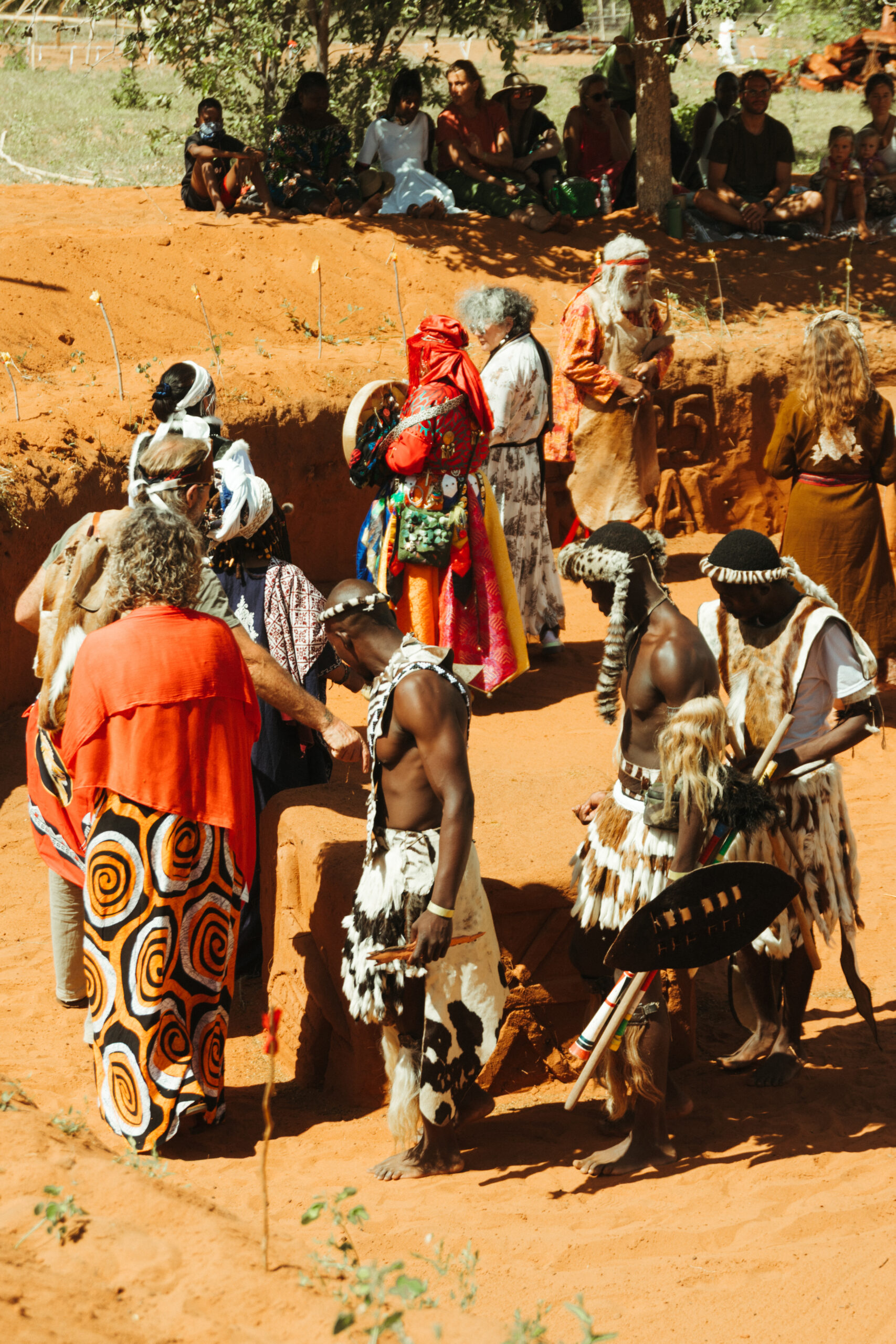
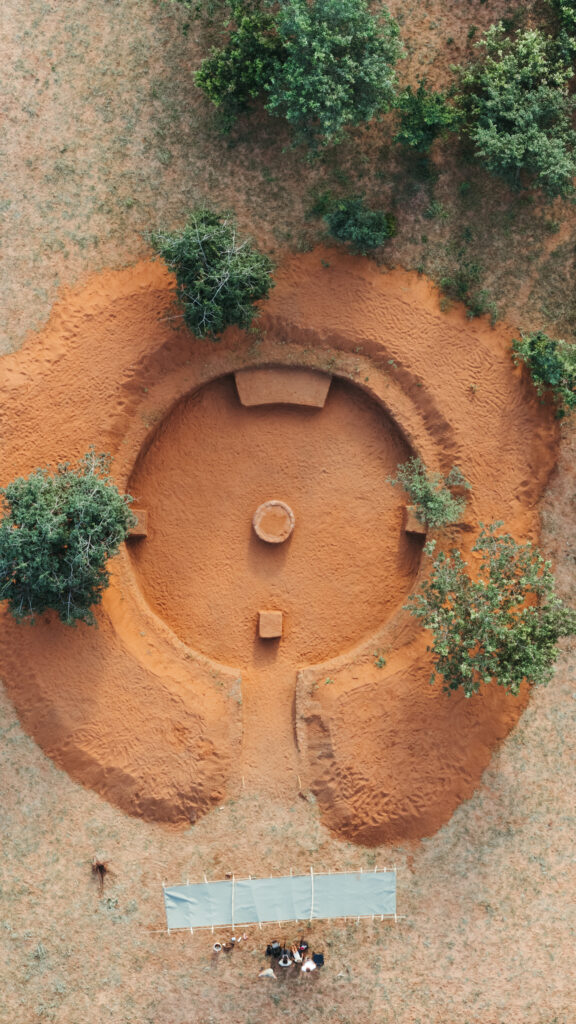
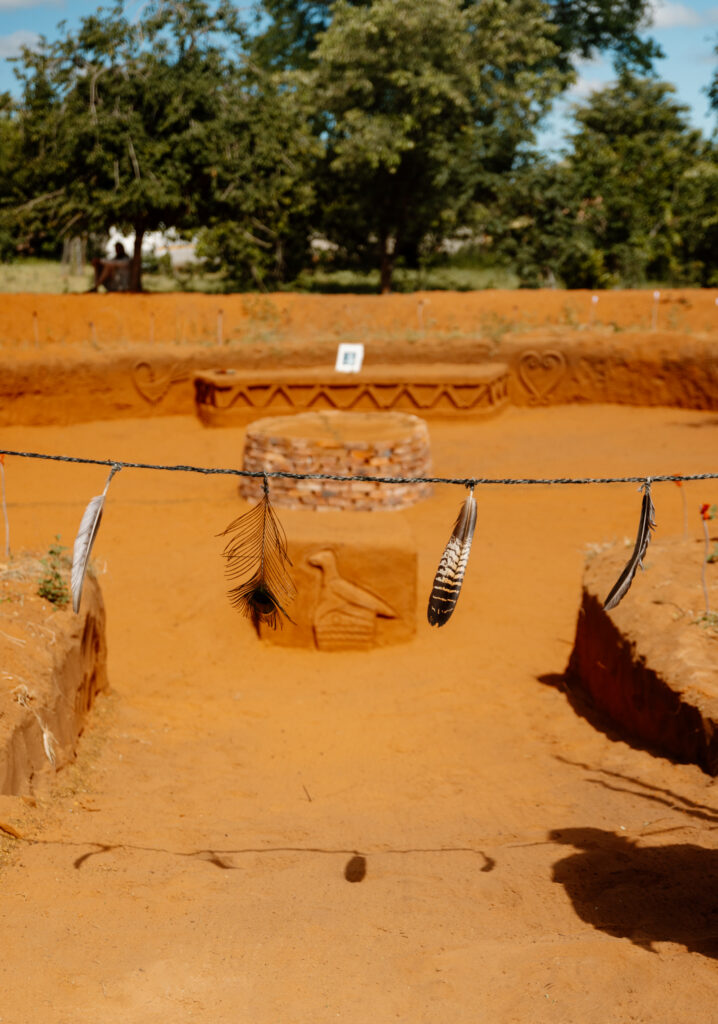
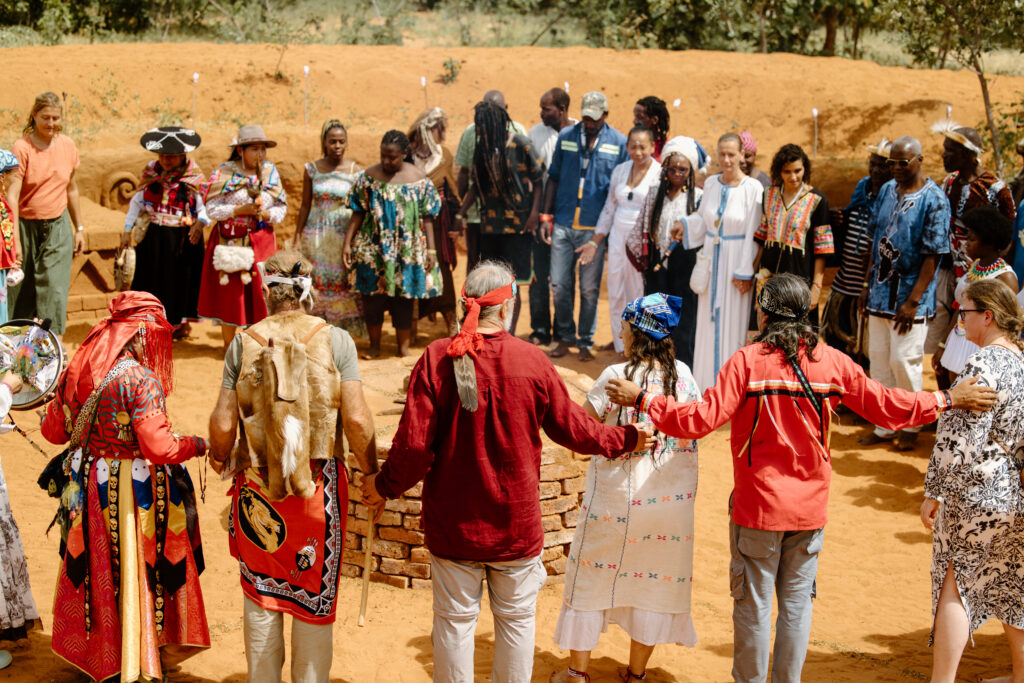
The Kiva is a sacred indigenous ceremony running for 45+ years, where Elders from different cultures pray around a central fire in an earth excavation called a Kiva (representing the womb of Mother Earth). It was born from a vision of Chief Raymundo Tigre Pérez of the Purhepecha people. The ceremony runs over 4 days with themes: Great Spirit, Family, Ancestors, and Healing Earth. It has been held in Mexico, Chile, Germany, India, and other countries. 2025 marked the first Kiva in Africa, held near Victoria Falls, Zimbabwe.
Do you want to know more?
Subscribe to our newsletter!
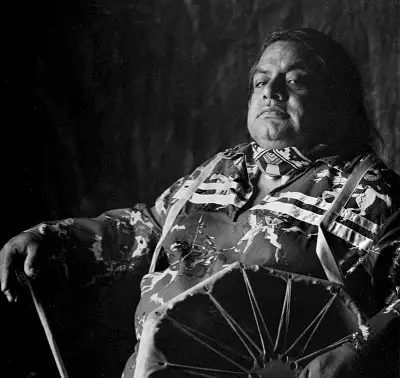
The Kiva was born from a vision that Chief Raymundo Tigre Pérez, a medicine man of the Purhepecha people, received during a sun dance over 50 years ago.
“He saw a dark-skinned woman crying. This woman was our Mother Earth. He saw how an excavation opened up in the earth on her tears and people of different languages and sounds with different colored robes came and walked into the earth and prayed at a fire. Joyful that her children were reunited, the woman began to sing and emit her healing power.”
– Terry a O’Neal
Through his vision, Tigre Pérez recognized the need to reunite the diversity of indigenous cultures from around the world—beginning with those of the Americas—in order to exchange ideas, preserve ancient customs, medicines and traditions, and pass them on to younger generations.Over the past 45 years, the Kiva has evolved into a place of prayer and inspiration, where healing is ignited through the sacred circle—the sacred bond that connects all nations. A fire burns at the centre of the circle, symbolizing the divine presence. This fire has been held in x countries
Africa is homecoming
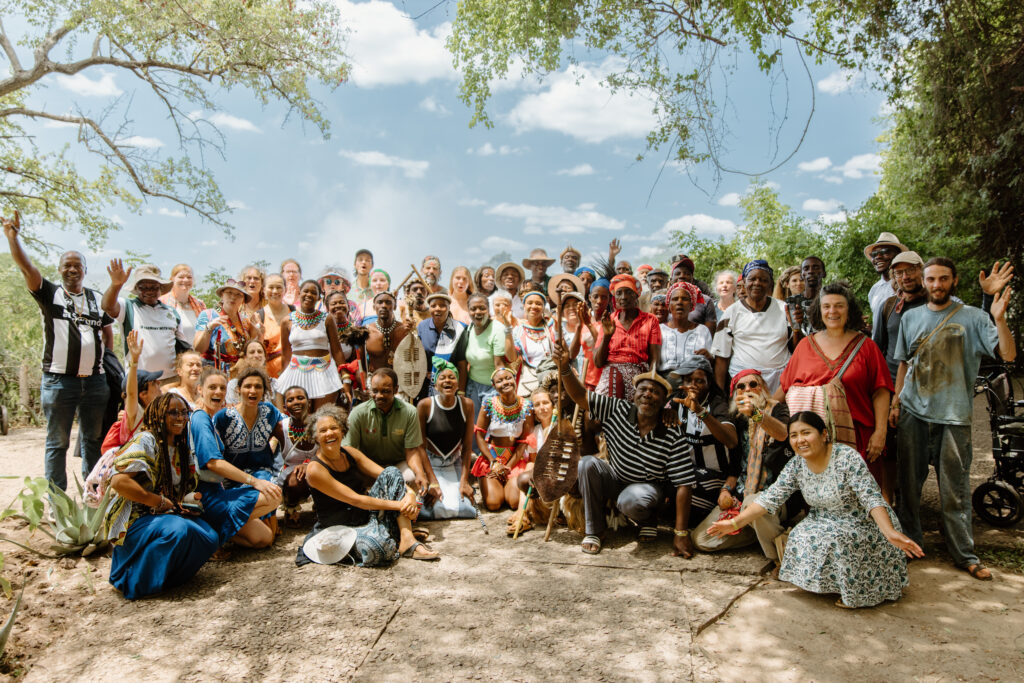
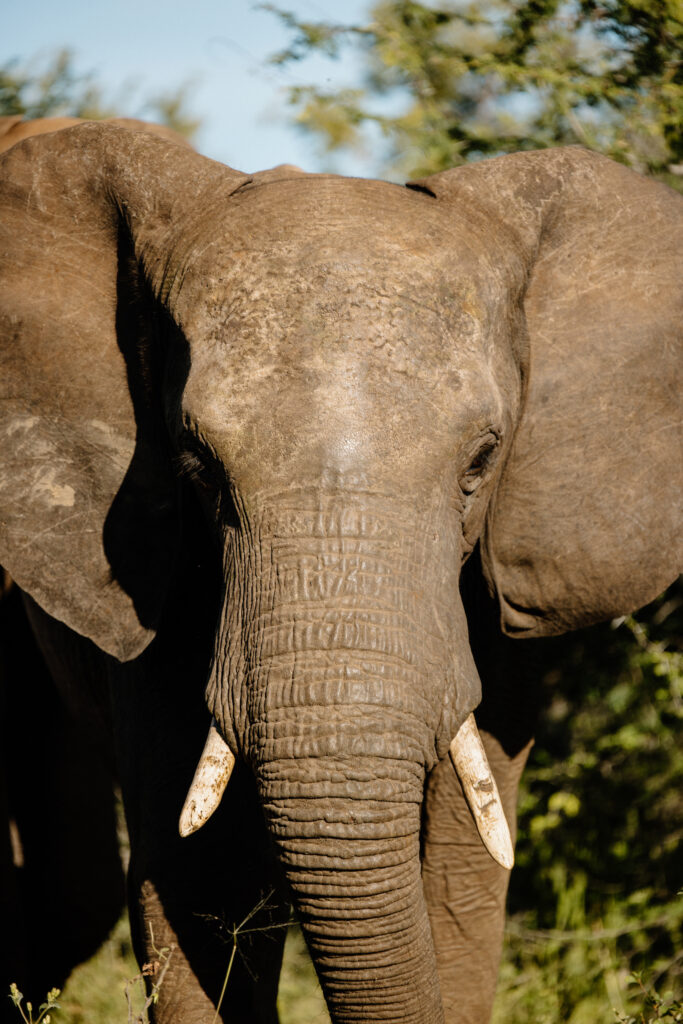
When the Kiva came to Africa in 2025, it was not simply expanding to a new continent, it was coming home. Africa is where humanity began. It is here, in the ancient landscapes of this vast continent, that the first humans walked, the first fires were lit, the first songs were sung, the first prayers were offered.
Every person on Earth, regardless of where they live now or what language they speak, carries Africa in their bones. When Elders from the Americas, Europe, Asia, and Oceania gather with African Elders around the Kiva fire, they are not visiting a foreign land. They are returning to the place where their ancestors’ ancestors once stood.
This is why the Kiva in Africa holds such deep significance. It is a homecoming for all of humanity—a recognition that beneath our beautiful diversity, we share one origin, one Mother, one Earth.
Mosi-oa-Tunya – Victoria Falls – stands as one of Earth’s most awe-inspiring natural spectacles, where the Zambezi River plunges over 100 meters across a 1,700-meter width into ancient gorges. For the Tonga, Lozi, and other indigenous peoples of Southern Africa, The Site has been a sacred place of prayer and ceremony for countless generations. The falls are also the dwelling place of Nyami Nyami, the river spirit, and serve as a portal for communication with ancestral spirits.
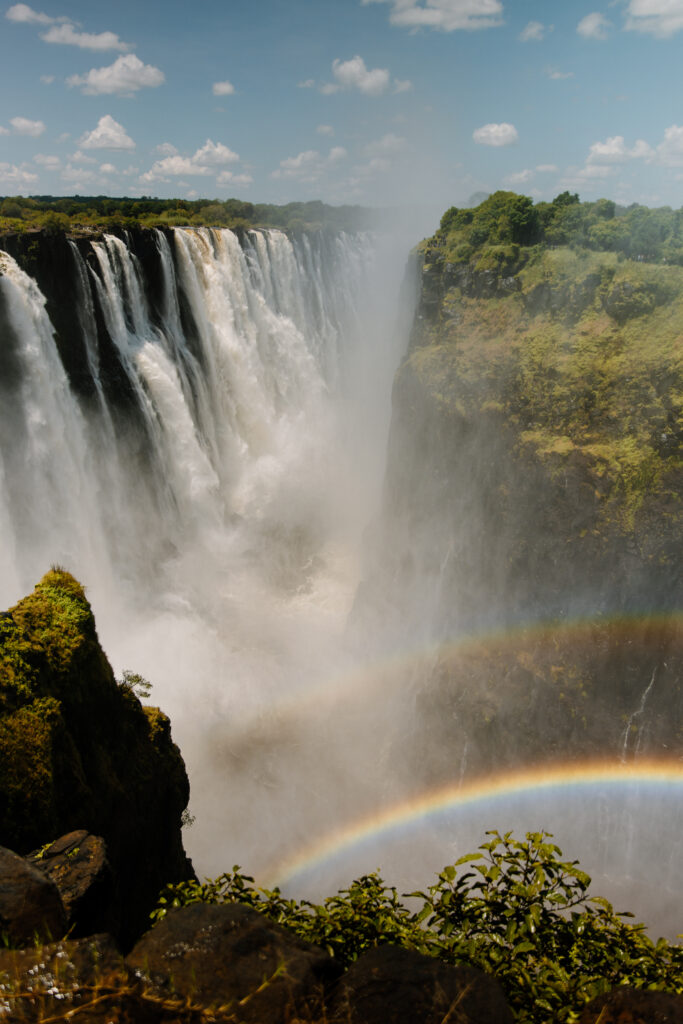
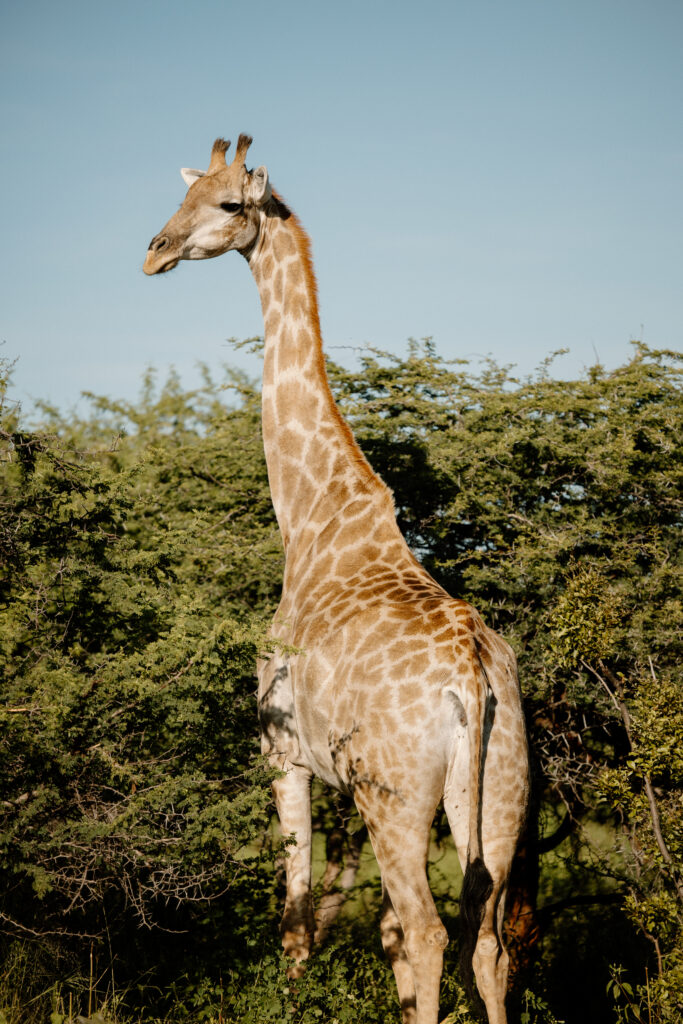
Ndbele name for the Vic Falls #Eliweni lamanz’athunq’intuthu
Ceremony & Program:
The Four-Days
The Kiva Ceremony runs over four days, with each day holding a sacred theme:
- Day 1: Great Spirit
We honor the Creator and the divine presence that connects all life. - Day 2: Family
We celebrate the bonds that unite us—our blood families, our human family, and our kinship with all beings. - Day 3: Ancestors
We remember and honor those who came before us, whose prayers and wisdom live on in us. - Day 4: Healing Earth and Ourselves
We pray for the healing of Mother Earth and for our own transformation, that we may walk in balance and harmony.
The Temazcal
The temazcal is more than just a sweat lodge, it is a sacred ceremony of rebirth.
Imagine entering a dark, warm, dome-shaped space, leaving behind everything that weighs you down: the stress, the old memories, the physical exhaustion.
Inside, the heat makes your body sweat out toxins, while prayers and songs help your mind go of worries.
Each day begins and ends with entering the temazcal. When you crawl out of the small door at the end, it symbolizes being born again. You step back into the world with a clean body, a quiet mind, and a fresh perspective.
There are also Moon Lodges just for womans with her Moon.
Program overview:
At dawn on April 23, 2026, the sacred fire will be lit, which will remain alive and guarded for the duration of the ceremony.
Morning
- Dawn: Temazcal
- Breakfast
- Kiva Ceremony
- Community life/Workshops
- Lunch
Afternoon / Evening
- Dinner
- Workshops and sharing
- Kiva Ceremony
- Sunset: Temazcal
Subscribe to our newsletter!
Elders
Honoring Indigenous Wisdom
The heart of the Kiva ceremony is the gathering of wisdom keepers who carry the prayers, songs, medicines, and sacred knowledge of their peoples. These Elders come from diverse traditions across the globe, yet they recognize in one another the same commitment to honoring Mother Earth and preserving the ancestral ways for future generations.
Ceremony Guardians
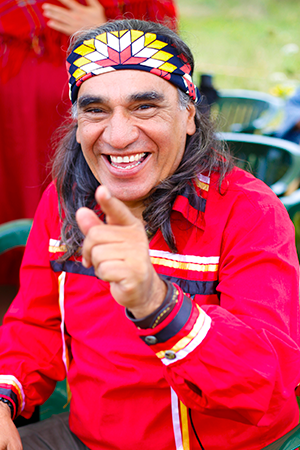
Heriberto Villaseñor “Tecolozintli
Guardian of the Kiva fire, Heriberto inherited this sacred responsibility from Chief Raymundo Tigre Pérez. He has dedicated his life to bringing the Kiva ceremony to all continents, establishing ceremonies in Mexico, Chile, Germany, Austria, Netherlands, and beyond.
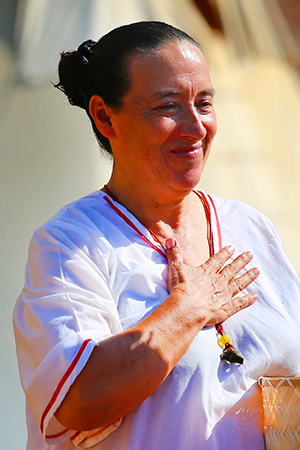
Nubia Rodriguez
Co-guardian of the Kiva ceremony and keeper of the Moon Lodge, Nubia works alongside Heriberto to maintain the sacred space and guide participants through the four-day journey.
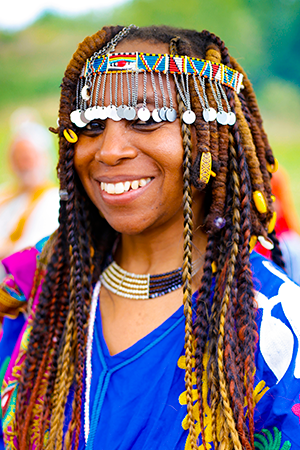
Rutendo Ngara
She is also known as Neterteri Meska, Feng Xian or Lapo’Mhlaba and she is a weaver, not only of tapestries.
A weaver between the stars, the environment, the society and all aspects of NaTuRe.
Out if all African Indigenous Knowledge she cares as wisdom keeper, she is and builds a bridge between systems as a spiritual coach, priestess, diviner and counselor.
She however does not see herself as a healer – but rather a mirror-reflecting-the-sun, who ignites others into their own healing superpowers.
Rivers are her respite, forests her fortitude, mountains her mainstay.
The quest for harmony, co- existence and complimentarity underpins her endeavours.
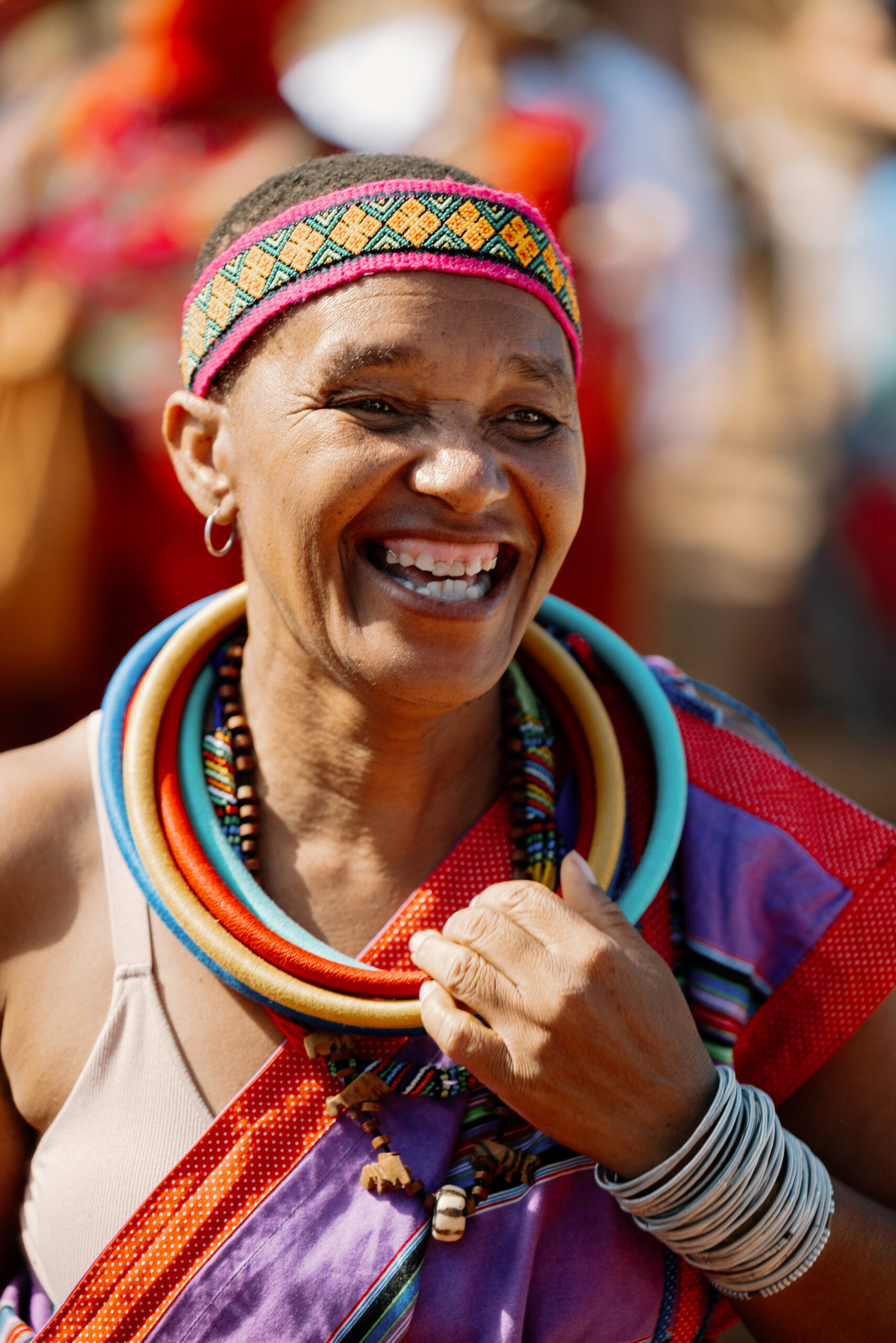
Mphatheleni Makaulule
She is an activist, academic and Indigenous Knowledge Systems Keeper from Venda, who has made it her life’s mission to defend sacred natural sites.
She is the founder of the Mupo Foundation (now registered as Dzomo la Mupo – ‘The Voice of the Earth’), a community-based organisation dedicated to protecting Nature in all its forms.
Her work is rooted in the protection of Zwifho (sacred indigenous forests), seeds and food systems, while creating spaces of intergenerational learning.
She works closely with the Makhadzi of the communities – women who are the custodians of sacred natural sites such as indigenous forests, rivers, springs and wetlands.
Dzomo la Mupo seeks to revive the confidence of the custodian communities and stand firm against some of the threats to their land, culture and livelihoods, such as mining projects in the region. Vho-Mphatheleni previously received a Bill Clinton Fellowship to study leadership in the USA, and in 2012 she was one of the UN Forest Heroes Program & Award finalists.
want to support?
Details for you to donate directly o to pay for your ticket by direct bank transfer
(South African bank account):
- Name: MIDZI YE D4A853AFRICA
- Bank: First National Bank (FNB)
- Branch Code: Bayside Mall Branch 255355
- Account Type: Business Account
- Account No: 63183532598
- SWIFT Code: FIRNZAJJ
Here, we answer some of the questions you may have about Kiva (FAQ)
How do I get to Victoria Falls, Zimbabwe?
Victoria Falls has an international airport (VFA) with connections from Johannesburg, Addis Ababa, Nairobi, and other regional hubs. You can also fly into Livingstone (Zambia) or travel overland from Bulawayo or other nearby cities.
Will there be airport transfers?
There is no public transport like buses, but Airport taxi transfers are available at approx $25-$30. We will share some driver contacts for you to arrange directly
Do I need a visa for Zimbabwe?
Visa requirements vary by nationality. Many nationalities can obtain a visa on arrival at Victoria Falls airport, but some require advance applications. Please check with the Zimbabwean embassy or consulate in your country well in advance, as processing can take time — particularly for African passport holders travelling to other countries on the pilgrimage route.
Accommodation & Meals
Where will I stay?
Accommodation is primarily camping on-site at the gathering venue. Participants are encouraged to bring their own tents and sleeping gear. There are also limited options for off-site accommodation in Victoria Falls town, including backpacker lodges and hotels — these can be arranged at your own cost. Tents are also available for rental, please email us if you would be interested in renting a tent, for an additional cost.
Should I bring my own tent?
Yes, if possible. There may be a limited number of tents available for hire — please enquire with the organising team.
What about food and meals?
Meals are provided as part of your ticket and will be prepared on-site by a dedicated kitchen team. The main kitchen serves vegetarian food. A separate kitchen may cater for Elders with specific dietary requirements (including meat and dairy). If you have particular dietary needs or allergies, please let the team know during registration.
Should I bring my own plate and cup?
Yes, Participants are asked to bring their own mug, plate, and cutlery. Crockery will be provided for Elders.
What should I pack for the gathering?
We recommend bringing:
- Tent, sleeping bag, and mat (or bedding)
- Your own mug, plate, and cutlery
- Warm clothing for cool evenings
- Sun protection: hat, sunscreen, sunglasses
- A water bottle (refill stations will be available)
- Torch / headlamp
- Personal toiletries and any medications you need
- Rain gear (just in case)
- Cash (USD ) for the market area and personal expenses
- An open heart and a spirit of respect
Is there anything I should NOT bring?
Please respect the sacred nature of the ceremony. Alcohol, recreational drugs, and disruptive behaviour are not permitted.
On-Site Facilities
Will there be toilets and showers?
Yes, Toilet and shower facilities will be set up on site. However, water is limited and we need to be mindful about water usage.
Is there electricity or Wi-Fi?
No, There will be a designated charging station for phones and devices. Wi-Fi availability may be limited — this is an opportunity to disconnect and be present with the ceremony. A communications area will be set up for essential connectivity.
Will there be medical support?
Yes. A medical and first aid team will be on site throughout the gathering. Participants are strongly encouraged to have travel insurance and to carry any personal medications they require. Local hospital and emergency services contact information will be provided.
Is there parking on site?
Yes, there is parking available at the venue. Details will be shared in advance.
Respect & Cultural Protocols
Is this ceremony connected to a specific religion?
No. The Kiva welcomes prayers from all traditions, cultures, and nations in their native languages around one central fire. It is a space of unity in diversity — not affiliated with any single religion.
Are there specific protocols I should be aware of?
Yes. This is a sacred ceremony and participants are asked to approach with respect, humility, and an open heart.
Can I take photos or videos?
Photography of the Kiva ceremony and elders is prohibited. Further Photography and videography guidelines will be communicated. An official media team will be documenting the gathering. Please be mindful that some moments and spaces are sacred and not for public documentation.
How can I get in touch?
- Email: africa@kiva.family
- Whatsapp channel: https://chat.whatsapp.com/EMDq6m3CEf9FICMvW0tYlf
- Website: https://africa.kiva.family
- Facebook: Kiva Africa